
GLP-1 medications like Ozempic, Wegovy, and Mounjaro slow down your digestive system and reduce appetite — but they also make your gut more sensitive than it used to be. Eating the wrong things can turn manageable side effects into a genuinely miserable experience.
This isn’t about forbidden foods. It’s about understanding which foods tend to cause the most problems, so you can make informed choices — especially in the early weeks when side effects are typically at their worst.
Greasy and Fried Foods
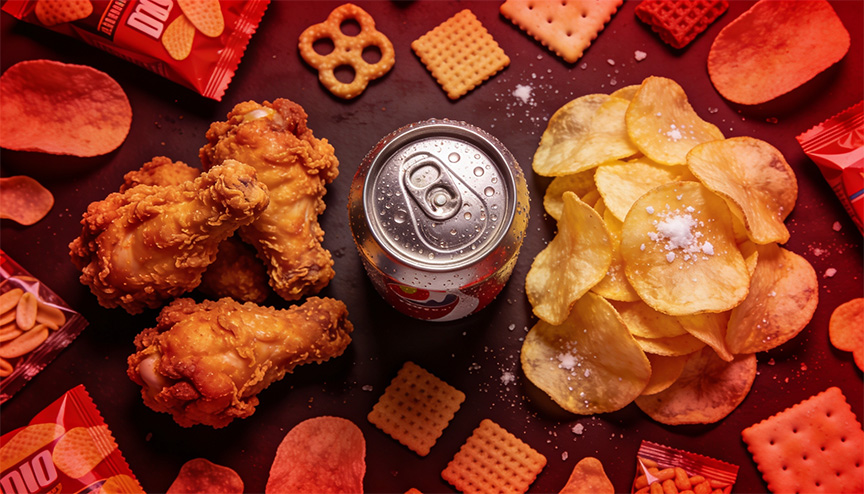
This is the number one trigger for nausea and vomiting on GLP-1 medications. High-fat foods take much longer to digest than anything else, and on a system that’s already slowed down by the medication, fatty meals can sit in your stomach for hours. People commonly report that a single greasy meal — fried chicken, a burger, chips — can cause nausea that lasts several hours. It’s simply not worth it, especially in the first few months.
Very Spicy Foods
Capsaicin (the compound that makes food spicy) irritates the lining of the digestive tract. On a GLP-1, with food sitting in your stomach longer and your gut already more reactive, spicy food is a common trigger for discomfort, heartburn, and nausea. This doesn’t mean you can never eat spicy food — but if you’re in the early weeks or currently dealing with side effects, it’s worth dialling back.
Sugary Foods and Drinks
Sugar — particularly in liquid form (juice, fizzy drinks, energy drinks) — causes rapid blood sugar spikes and crashes. GLP-1 medications already influence blood sugar regulation, and large sugar loads can create uncomfortable swings. Sweetened drinks are also a calorie trap that add hundreds of calories without any satiety or nutrition.
Carbonated Drinks
GLP-1 medications slow gastric emptying, which means gas from fizzy drinks has a harder time moving through your system. The result is bloating, belching, and uncomfortable pressure in your stomach. Even sparkling water can cause problems for some people. If you’re experiencing bloating, switching to still water for a few weeks often makes a noticeable difference.
Alcohol
Alcohol interacts with GLP-1 medications in several ways — it hits harder and faster when you’re eating less, it can contribute to blood sugar drops, and the calories work directly against weight loss goals. See the separate article on alcohol and GLP-1 on this site for a full breakdown.
Oversized Portions
This isn’t a food type, but it’s worth including. GLP-1 medications reduce your tolerance for large amounts of food at one sitting. Eating past the point of fullness — which happens easily if you’re distracted or eating quickly — almost always leads to nausea. The fix: eat slowly, put your fork down between bites, and stop at the first sensation of fullness. By the time you feel full, you may have already eaten too much.
Ultra-Processed Foods
Packaged snacks, ready meals, fast food, and highly processed items tend to be high in refined carbohydrates, seed oils, and sodium. Many people find these cause digestive discomfort more readily than whole foods when on a GLP-1. As your appetite decreases, treat it as an opportunity to make the food you do eat count.
The Bottom Line
The foods to avoid on GLP-1 aren’t surprising — they’re the same foods that aren’t great for anyone. But the consequences of eating them are more immediate and uncomfortable when you’re on a GLP-1, which can actually be a useful motivator to make lasting dietary changes. Many people find that after a few weeks on the medication, their cravings for these foods naturally decrease anyway.
This article is for informational purposes only and does not constitute medical advice. Always consult your healthcare provider regarding your individual dietary needs.
Leave a Reply