
There’s something that doesn’t get talked about nearly enough when people start Ozempic, Wegovy, or Mounjaro: the weight you’re losing isn’t all fat. A meaningful portion of it — sometimes more than people realise — can be muscle.
This matters a lot. Muscle isn’t just about looking toned. It drives your metabolism, supports your joints, helps with balance and mobility as you age, and plays a significant role in long-term weight maintenance. Losing too much of it while on GLP-1 medications is a genuine concern — and one worth taking seriously from day one.
How much muscle loss are we actually talking about?
Research on GLP-1 medications suggests that somewhere between 25% and 40% of total weight lost may come from lean mass (muscle, bone, and other non-fat tissue) rather than body fat. Some studies put the figure higher.
For context: when people lose weight through diet alone without exercise, around 25% of the loss typically comes from lean mass. So GLP-1 medications are broadly in line with other forms of caloric restriction — but the speed and degree of weight loss they produce means the total amount of muscle lost can be significant if you’re not actively working to prevent it.
This isn’t a reason to avoid these medications. For most people, the health benefits of losing excess fat far outweigh the muscle loss risk. But it is a reason to have a strategy.
Why does muscle loss happen on GLP-1s?
The main driver is the significant calorie deficit these medications create. When your body isn’t getting enough calories, it turns to stored energy — both fat and muscle. The more severe the deficit, the more muscle is at risk.
Many people on GLP-1 medications also end up eating far less protein than they need, simply because their appetite is suppressed and they’re eating less overall. Protein is the key nutrient for building and maintaining muscle, so a protein deficit accelerates muscle loss significantly.
Finally, reduced physical activity — common in the early weeks when side effects like nausea and fatigue are present — means the muscles aren’t being stimulated to maintain themselves.
What can you actually do about it?
Prioritise protein above everything else
This is the single most important thing you can do. Aim for at least 1.2 to 1.6 grams of protein per kilogram of your body weight per day. If you weigh 80kg, that’s 96–128 grams of protein daily — which sounds like a lot but is entirely achievable with some planning.
Good sources: eggs, chicken breast, turkey, salmon, tinned tuna, Greek yoghurt, cottage cheese, lentils, chickpeas, edamame, and protein shakes. Because GLP-1 medications suppress appetite, many people find protein shakes particularly useful — they deliver a large dose of protein in a small, easy-to-stomach volume.
When appetite is suppressed, prioritise protein at the start of every meal before you eat anything else. It’s too easy to fill up on carbohydrates and have no room left for protein if you leave it until last.
Do resistance training
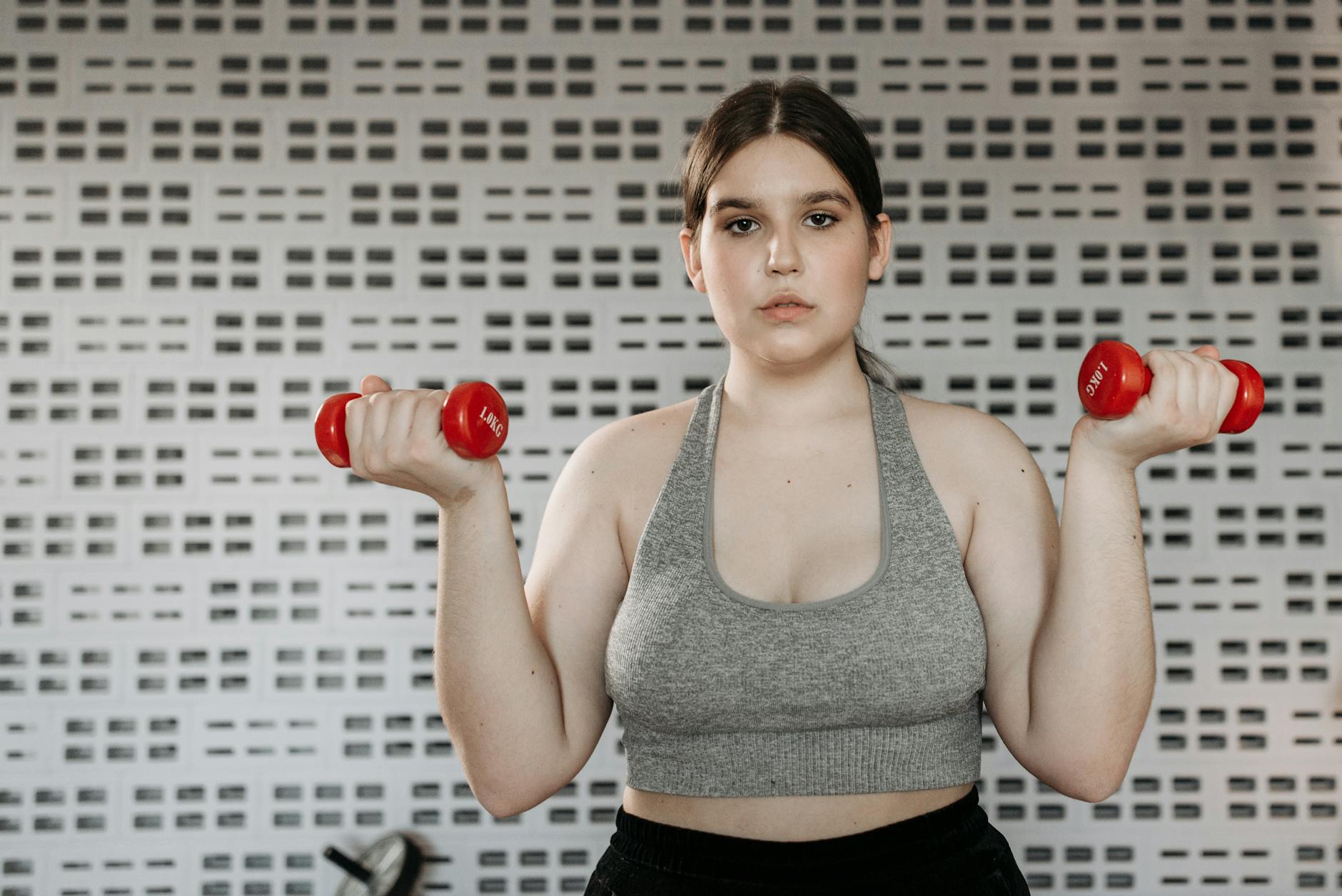
Resistance training — also called strength training or weight training — is the most effective tool for preserving muscle during weight loss. When you challenge your muscles with resistance, you send a signal to your body that they are needed and should be maintained.
You don’t need to become a gym regular overnight. Two to three sessions per week of bodyweight exercises (squats, lunges, push-ups, planks) or light weight training is enough to make a meaningful difference. Resistance bands are an excellent low-cost, low-barrier option if you prefer to exercise at home.
If you haven’t done any strength training before, even one session per week is better than none — start where you are and build gradually.
Don’t lose weight too fast
Rapid weight loss accelerates muscle loss. A rate of 0.5 to 1kg per week is generally considered the sweet spot for fat loss while minimising lean mass loss. If you’re losing considerably faster than this, talk to your doctor about whether your dose or calorie intake needs adjusting.
Keep moving, even when you don’t feel like it
On days when nausea or fatigue make proper exercise impossible, even gentle walking counts. Staying physically active — in whatever form you can manage — supports muscle retention and overall metabolic health. Don’t use the medication as a reason to become sedentary; it works significantly better when combined with movement.
Consider creatine supplementation
Creatine is one of the most well-researched and consistently proven supplements for supporting muscle mass. It’s inexpensive, widely available, and has an excellent safety profile. Some research specifically supports creatine use during calorie-restricted weight loss for preserving lean mass. Speak to your doctor before starting any new supplement, particularly if you have kidney concerns.
How do I know if I’m losing too much muscle?
Standard bathroom scales won’t tell you — they only measure total weight. A body composition scale (which estimates body fat percentage using electrical impedance) gives a rough indicator, though accuracy varies. A DEXA scan is the gold standard for measuring body composition accurately but isn’t available everywhere.
Practical signs to watch for: feeling weaker than usual when doing everyday tasks, losing strength noticeably in exercise, or feeling disproportionately tired relative to how much weight you’ve lost. These can suggest muscle loss is outpacing fat loss.
The bottom line
Muscle loss on GLP-1 medications is real but it is not inevitable. The combination of adequate protein intake and regular resistance training can preserve the vast majority of your muscle mass while you lose fat. These two habits are the most important things you can do alongside your medication — and the ones most worth building from the very first week.
Medical disclaimer: The content on this site is for informational purposes only and is not a substitute for professional medical advice. Always consult your GP or healthcare provider before beginning any new exercise or supplement programme.
Leave a Reply